 Metablox Memory
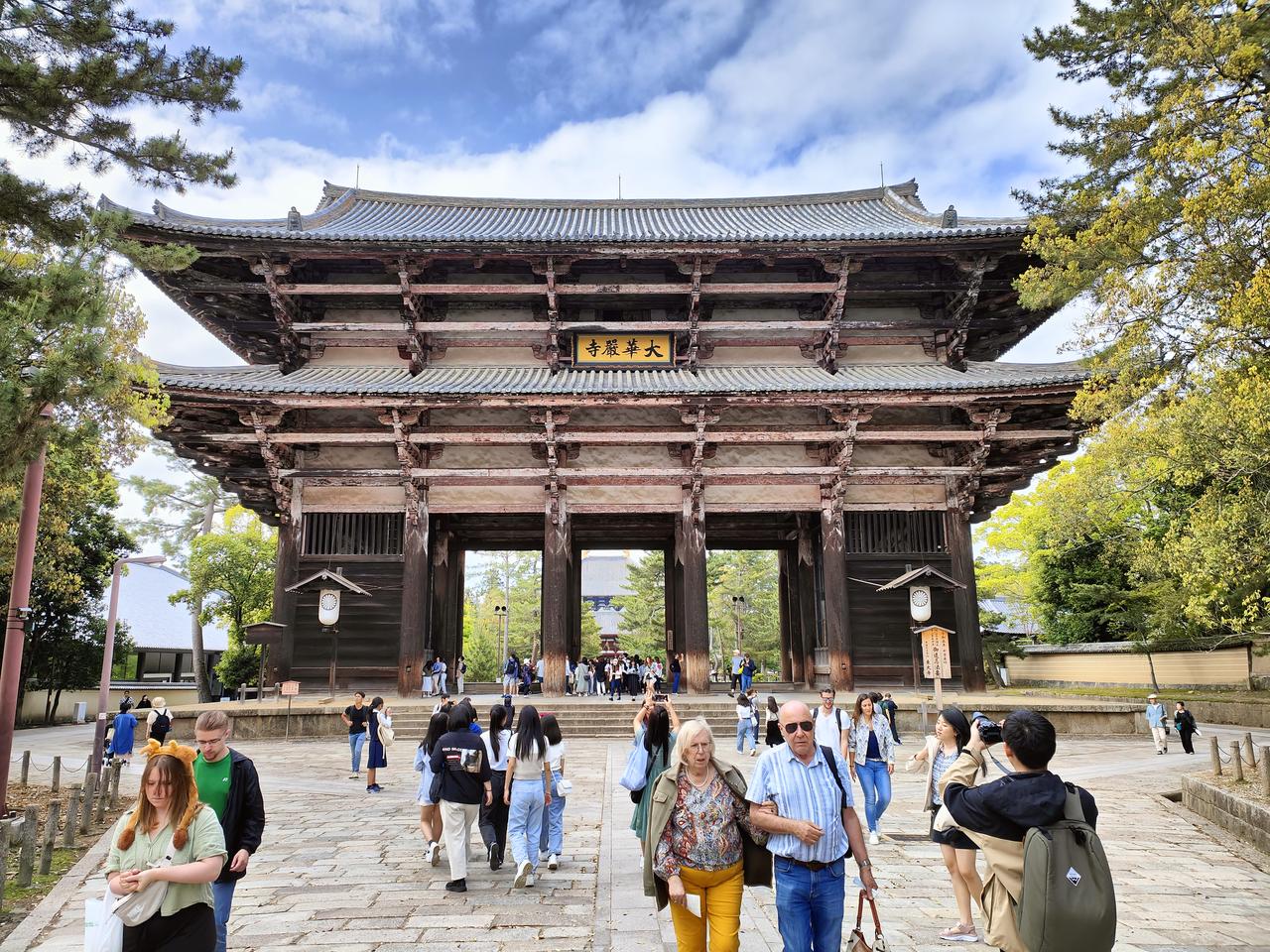
Nandaimon Gate
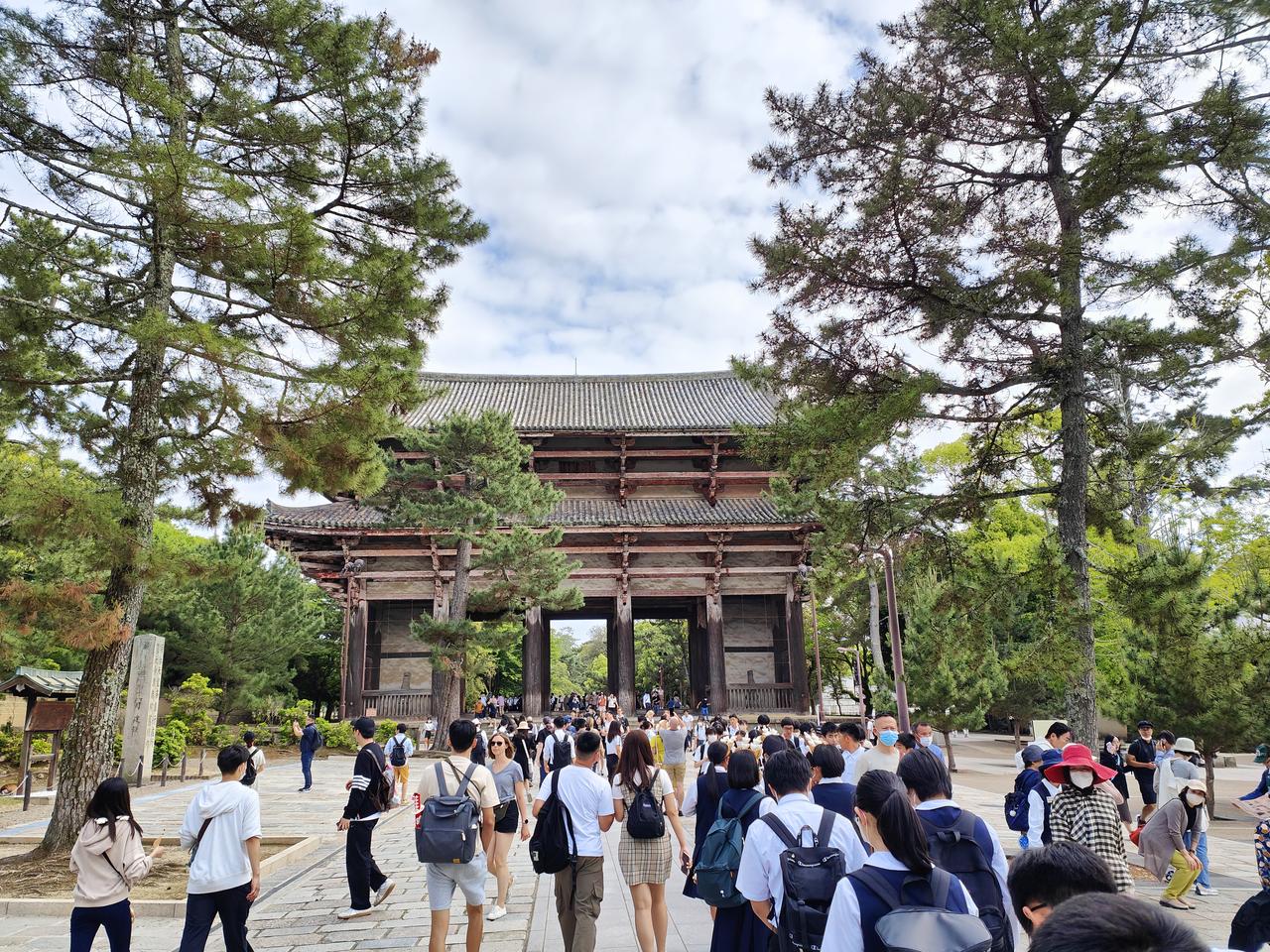
Standing before the towering Nandaimon Gate at Tōdai-ji, I felt the raw power of ancient guardianship, with its massive wooden frame and fierce Nio statues looming like sentinels from another era. This Great South Gate marks the dramatic entrance to the temple grounds, where every beam and carving whispers of centuries past.
The original Nandaimon dates to Tōdai-ji's founding in the Nara period (8th century), but it was destroyed by a typhoon in the Heian period. The current structure, rebuilt in the Kamakura period (late 12th to early 13th century) by the monk Chōgen, uses the Daibutsuyō style—inspired by Song Dynasty China—with exposed beams, massive pillars, and no ceiling panels for dramatic effect. It stands 25 meters tall, one of Japan's largest wooden gates and a National Treasure.
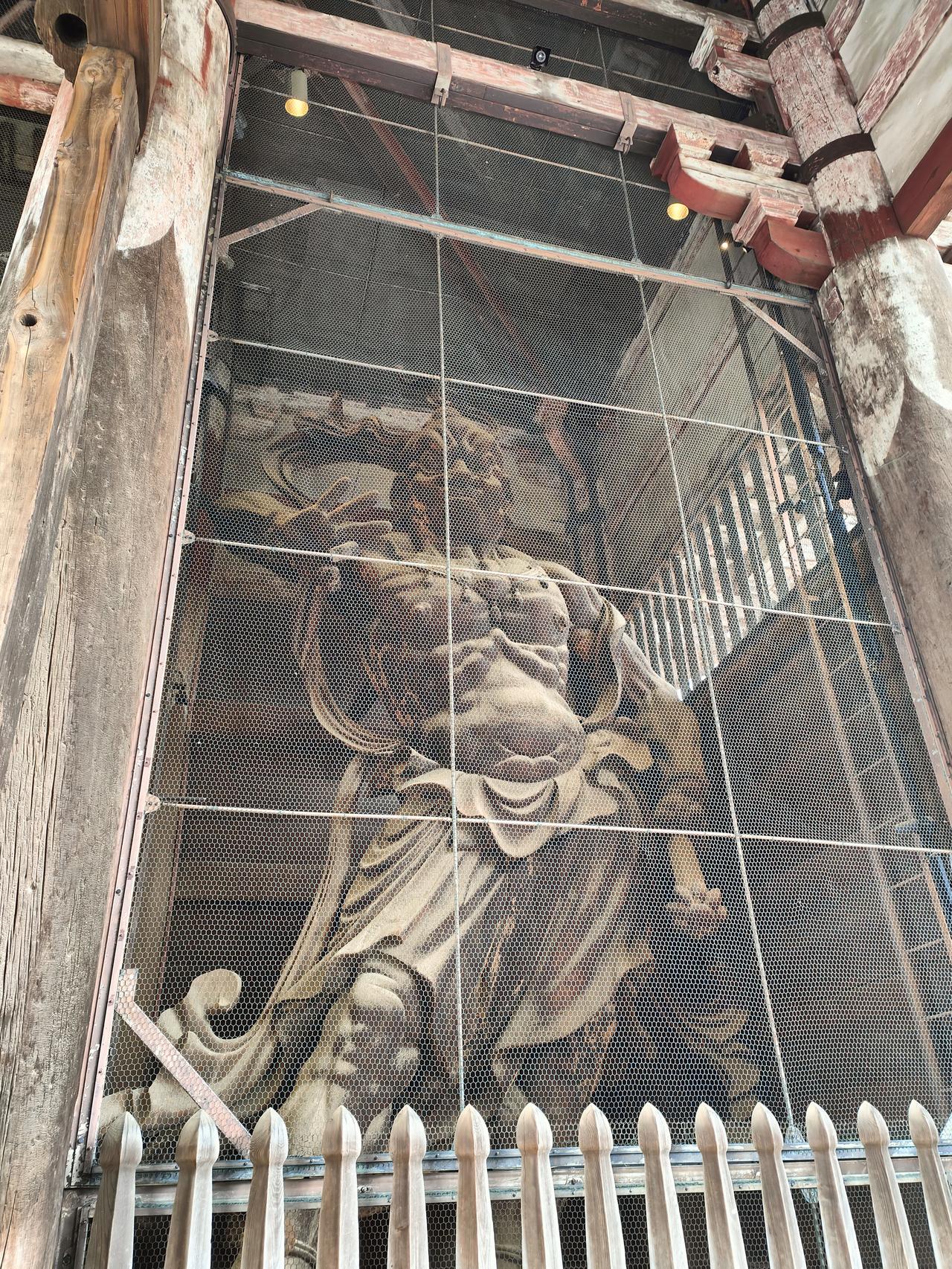
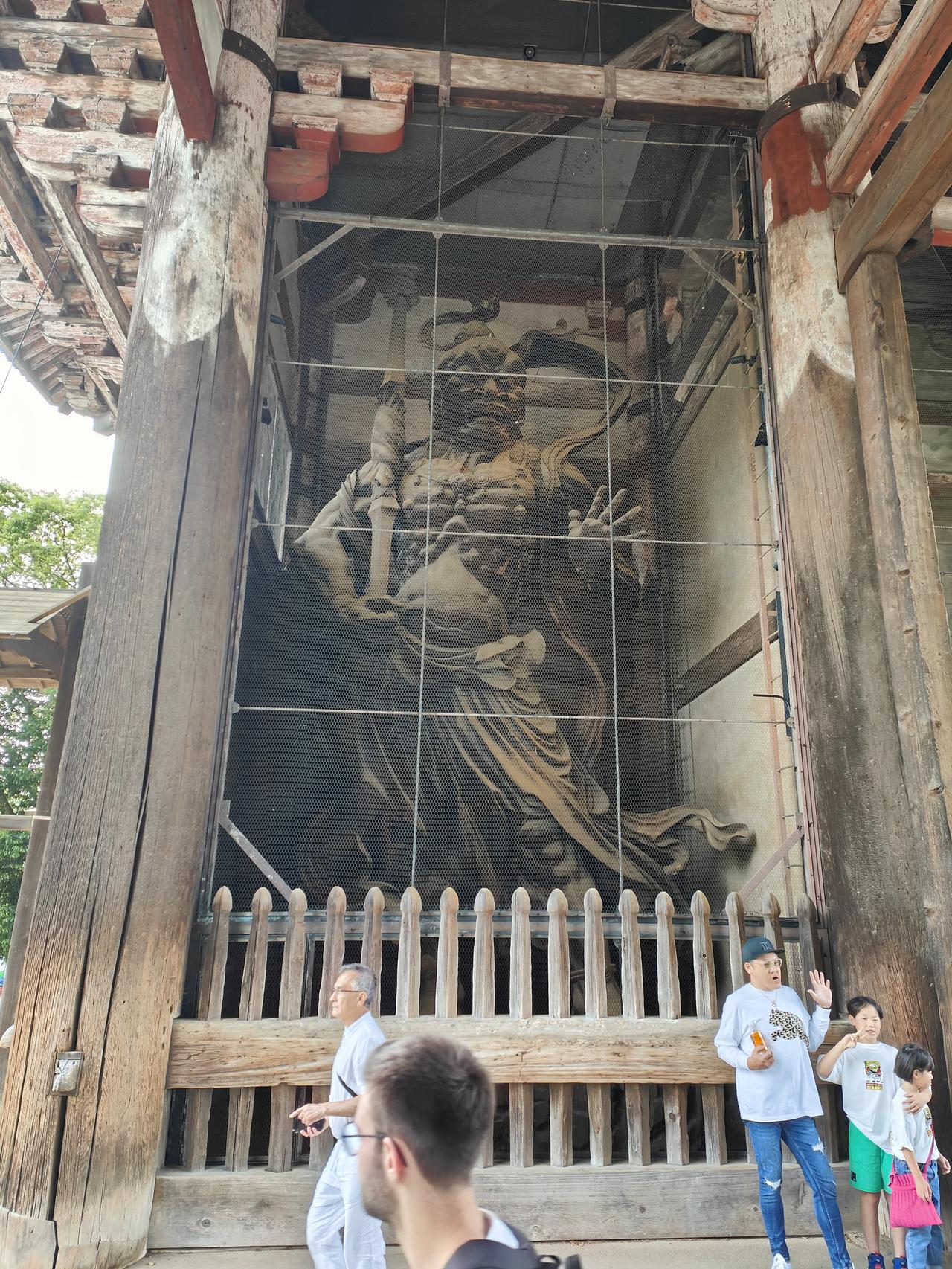
Flanking the gate are two colossal Nio (Kongōrikishi) guardian statues, each over 8 meters tall and carved in just 69 days by master sculptors Unkei and Kaikei. These dynamic wooden masterpieces, with bulging muscles, fierce expressions, and open/closed mouths symbolizing "a" and "un" (creation and destruction), are themselves National Treasures, restored in 1988 to reveal hidden sacred texts inside.
Passing through feels like crossing into sacred history, where art, faith, and resilience converge.