 Metablox Memory
Chionji Temple
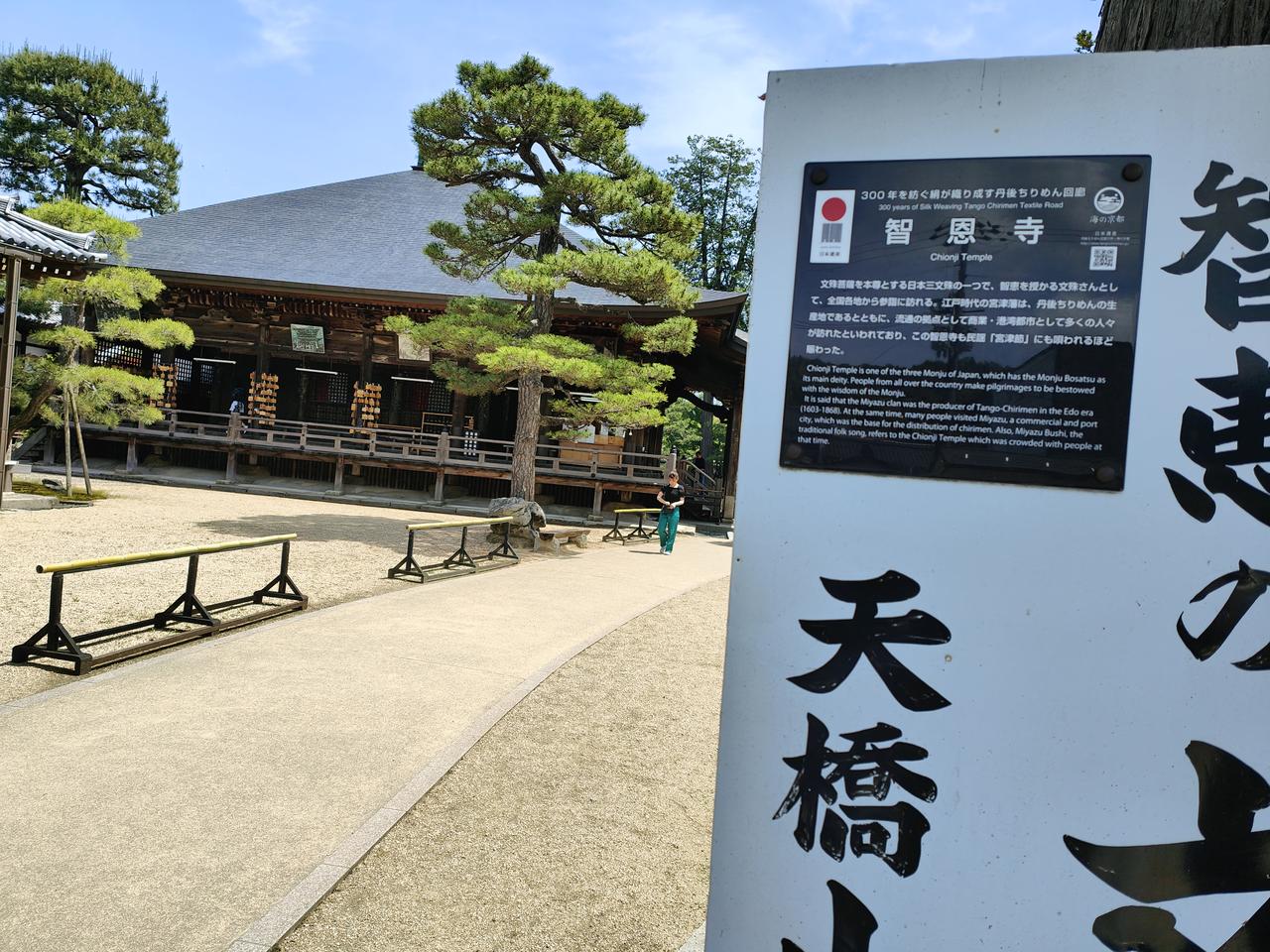
On the next day of my journey, I joined another tour to Amanohashidate in northern Kyoto, and our first stop was Chionji Temple, a peaceful and historically rich temple at the southern entrance to the famous sandbar. Dedicated to Monju Bosatsu, the Bodhisattva of Wisdom, Chionji is a place many visitors come to pray for insight, good fortune, and success in studies and life.
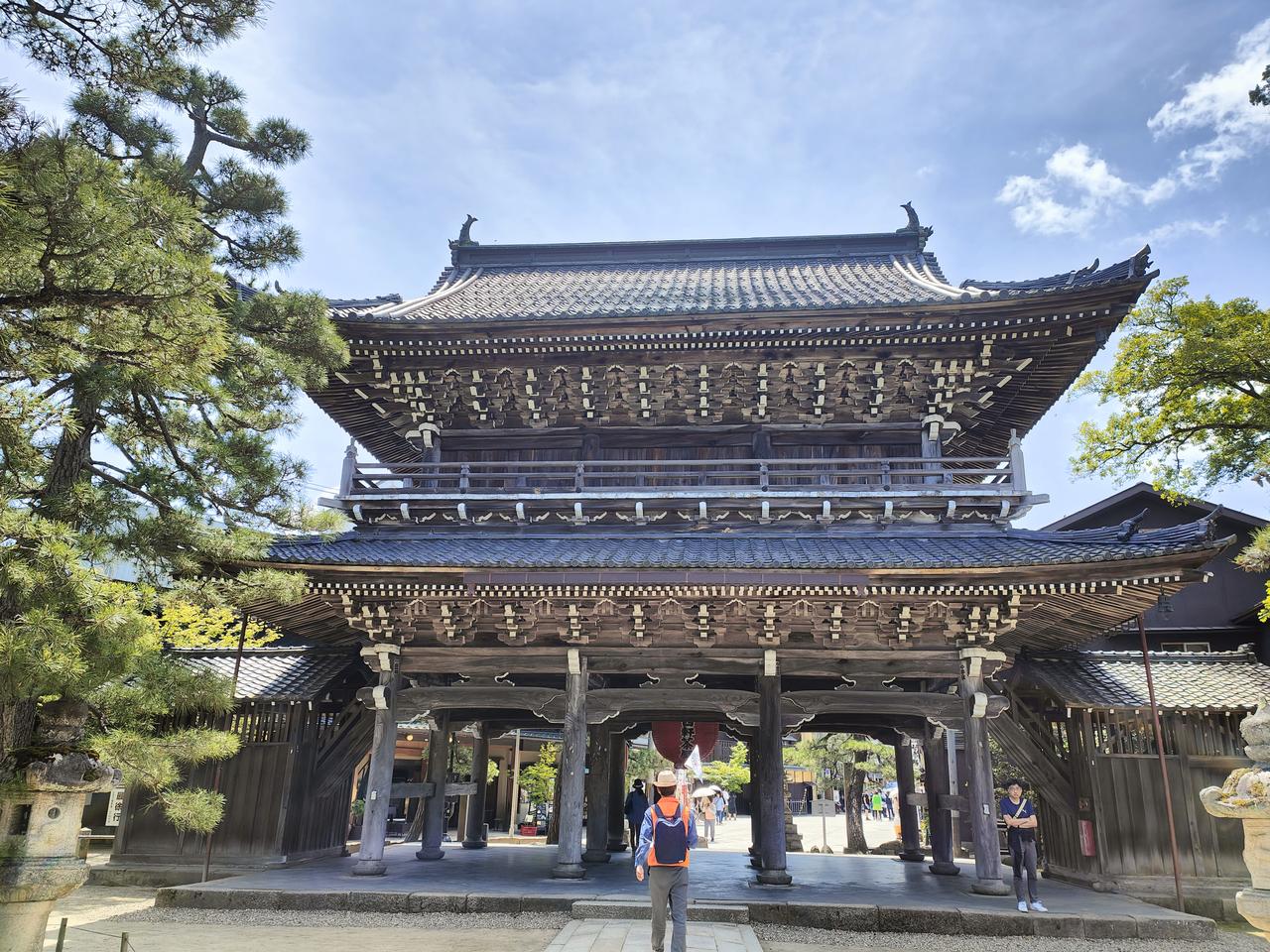
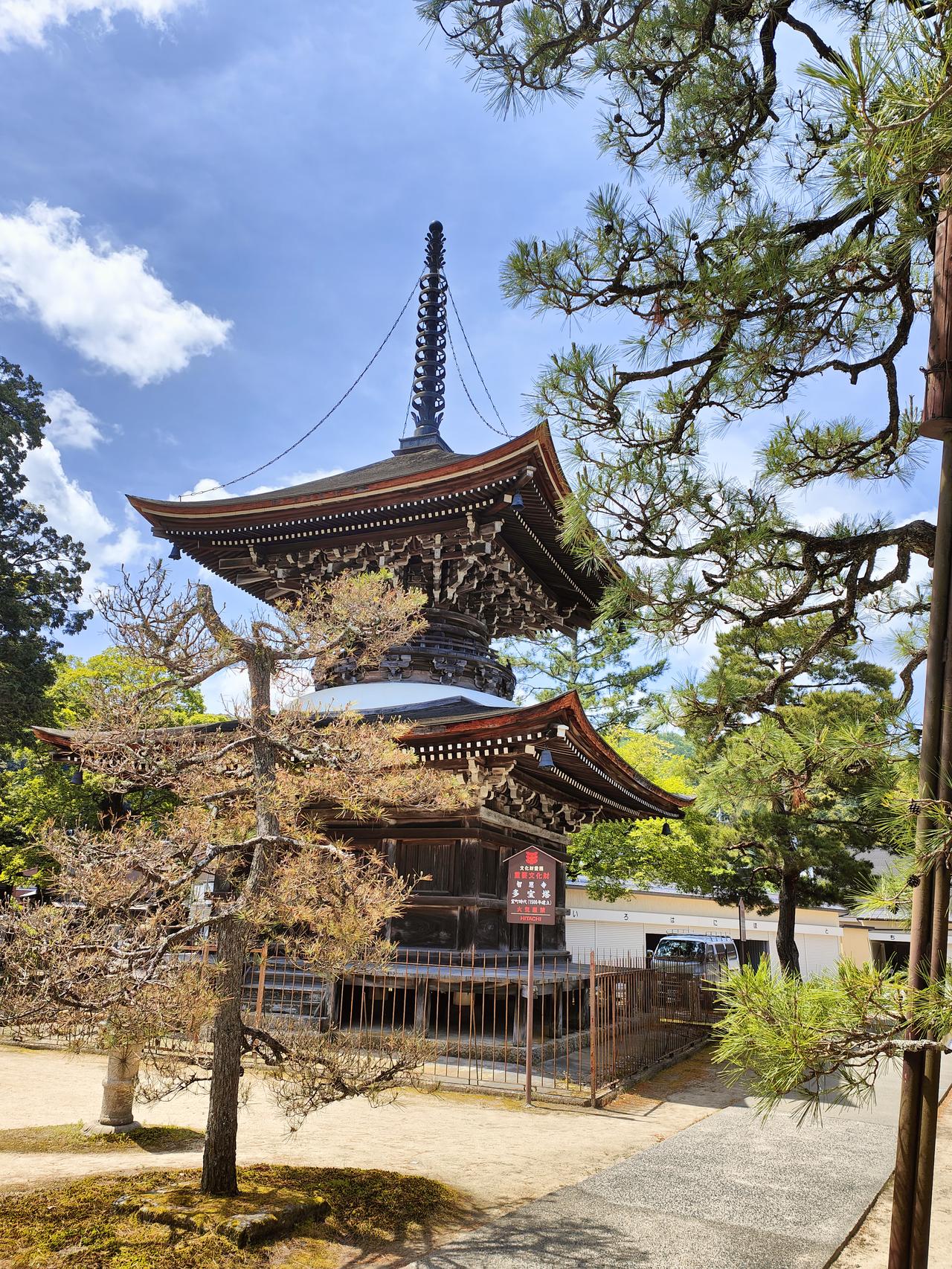
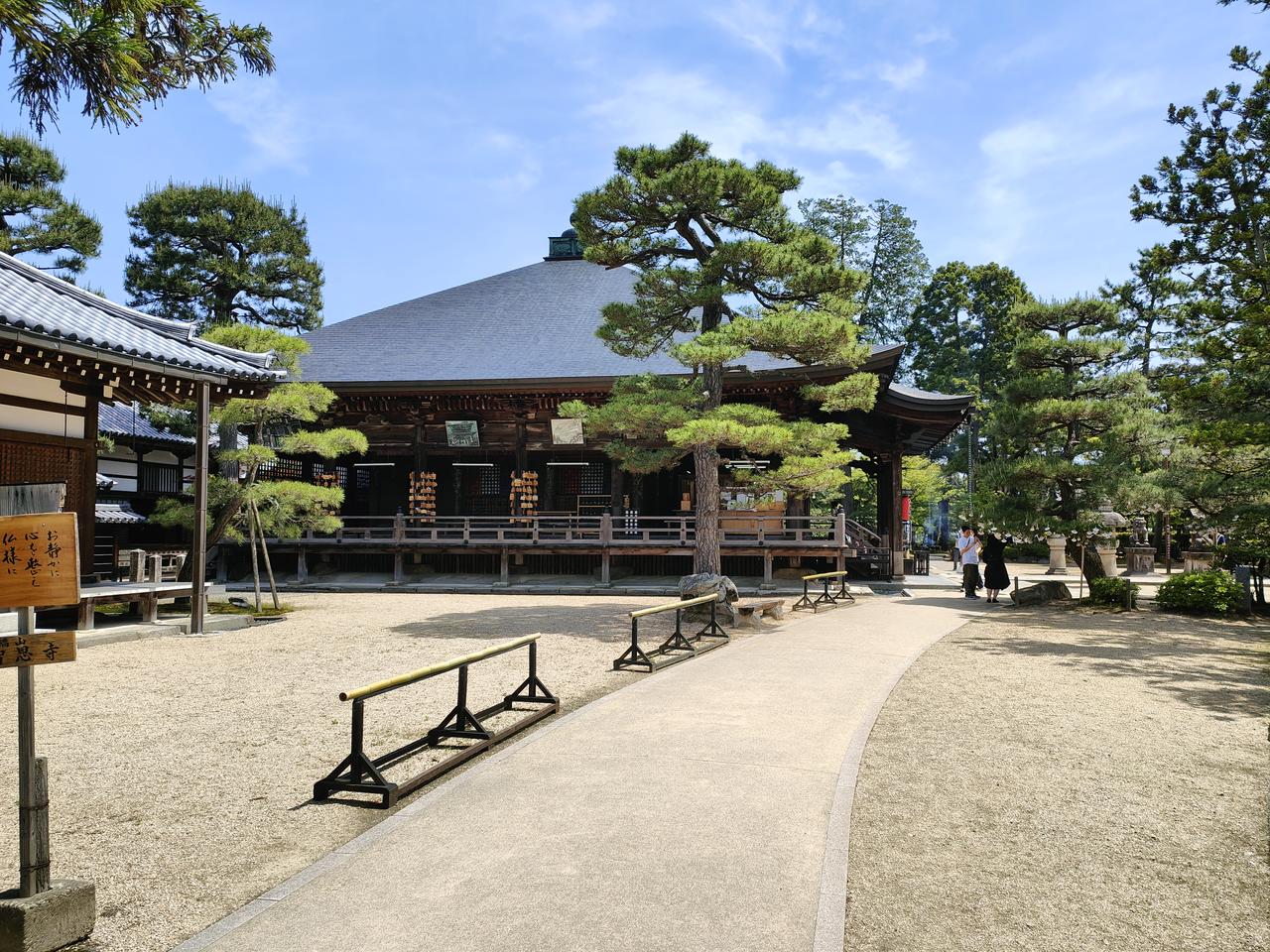
Wandering through the temple grounds felt like stepping into a calm pocket of old Japan. The weathered wooden halls, the elegant pagoda, the pine trees, and the quiet paths created a timeless atmosphere, while the temple’s reputation as one of Japan’s three great Monju temples gave the visit a deeper spiritual meaning.
What made the visit especially memorable was how Chionji blends beauty, faith, and everyday travel culture. Visitors often leave behind fan-shaped omikuji fortunes tied to the pine trees, turning the grounds into a living tapestry of hopes and prayers, and the temple’s long history—said to begin in the early 9th century—adds weight to every step.
Chionji Temple
Chionji Temple, also called Chion-ji, is a Rinzai Zen Buddhist temple located about a five-minute walk from Amanohashidate Station. It is best known as a temple of wisdom, and its main deity is Monju Bosatsu, often associated with learning, intelligence, and clear judgment.
The temple is traditionally believed to have been established in 808, and it has long been an important spiritual site for pilgrims and travelers in the Amanohashidate area. Its grounds include a two-story tahoto-style pagoda from the early 1500s, regarded as the oldest wooden structure in Miyazu City and an Important Cultural Property of Japan.