 Metablox Memory
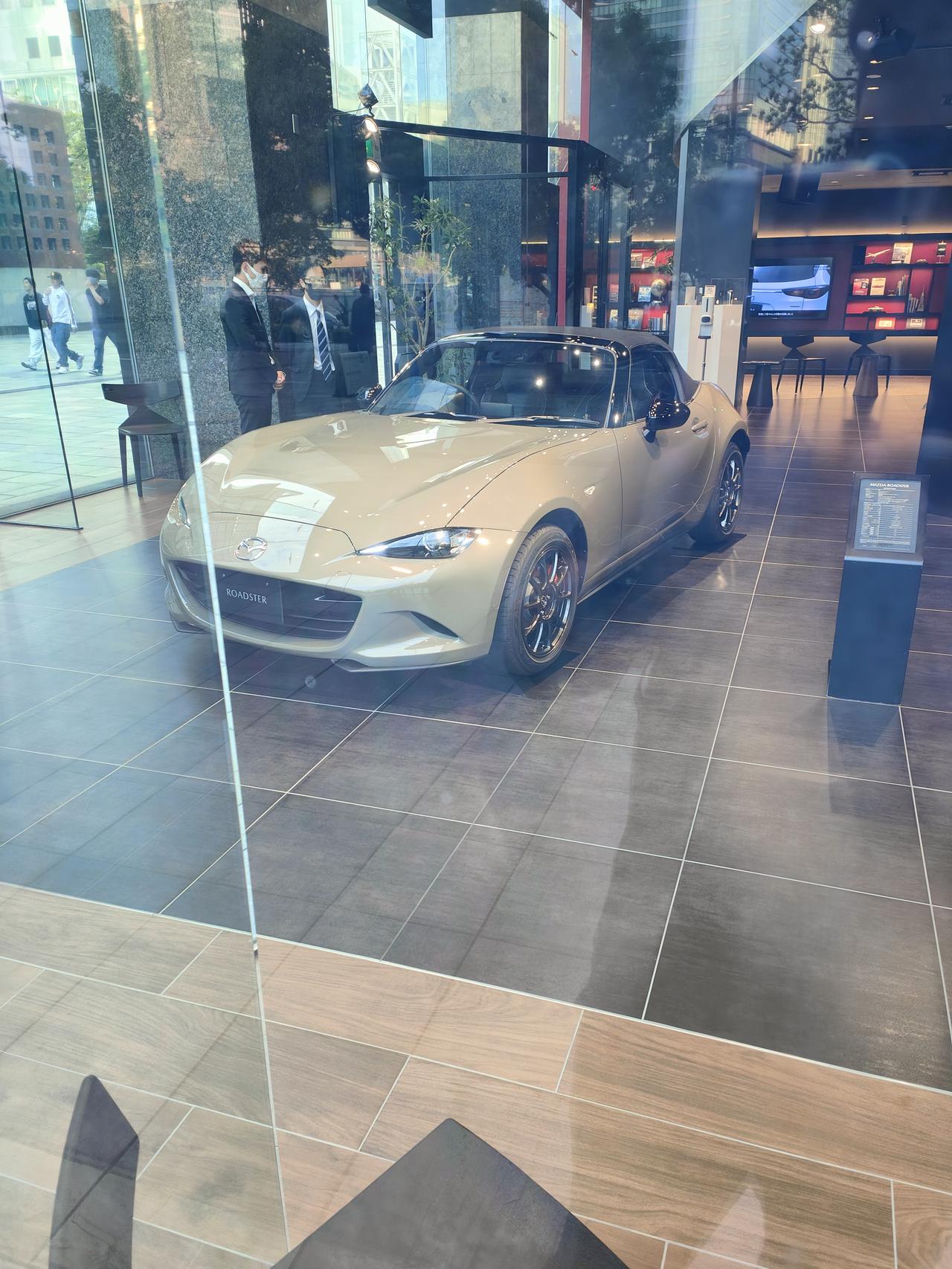
Mazda Roadster
At the ground floor of Umeda Sky Building, I unexpectedly found the Mazda Roadster showroom, and it felt like stepping into a different kind of Japanese design story. The contrast was memorable: above me was one of Osaka’s most iconic pieces of architecture, and right there at the base was a car that embodies purity, lightness, and driving joy. The setting made the Roadster feel less like a display item and more like a design object placed in dialogue with the building itself.
The Mazda Roadster, also known globally as the MX-5, was born in 1989 as a revival of the classic lightweight sports car. Mazda’s idea was simple but powerful: create an affordable two-seat open-top car that delivers direct, joyful driving rather than excess power or luxury. That philosophy is captured in Mazda’s “Jinba Ittai” concept, the idea of horse and rider moving as one, which became the emotional core of the Roadster’s identity.
What makes its design so enduring is its restraint. The Roadster is compact, low, and balanced, with a front-engine, rear-wheel-drive layout and a focus on light weight, clean proportions, and responsive handling. Mazda deliberately stripped away anything unnecessary, favoring simplicity over flash so the car could feel alive in the driver’s hands. Even small engineering choices, like a lower center of gravity and thoughtful material selection, support that sense of precision and connection.
In that showroom, the Roadster seemed to represent more than a car—it felt like a statement about Japanese design itself. Just like Umeda Sky Building above, it shows that boldness does not have to mean heaviness; it can also mean clarity, balance, and a strong idea executed beautifully. The experience left me with the sense that both the building and the car share the same spirit: elegant, inventive, and deeply memorable